
Recombinant Human Hyaluronidase vs. Animal-Derived Hyaluronidase: Key Differences for Research Use
A Comparative Guide to PH20, Bovine, and Ovine Sources for In Vitro and Translational Studies
Abstract
Hyaluronidase is an essential enzymatic reagent in biomedical research, widely employed for extracellular matrix (ECM) degradation, drug dispersion studies, and formulation screening. The enzyme is available from two principal categories: recombinant human sources—most notably human PH20 expressed in mammalian or insect cell systems—and animal-derived preparations, including bovine testicular and ovine testicular hyaluronidase. This comparison systematically examines the molecular identity, glycosylation patterns, purity profiles, immunogenicity risks, and translational relevance of each source class. Data indicate that recombinant human PH20 offers superior batch-to-batch consistency, lower endotoxin and immunogen loads, and closer structural homology to the native human enzyme, making it the preferred choice for cell-based assays, pharmacokinetic modeling, and preclinical formulation development.
recombinant human hyaluronidase vs animal hyaluronidase, PH20, bovine hyaluronidase, ovine hyaluronidase, human hyaluronidase research, extracellular matrix degradation
1. Overview of Hyaluronidase Sources
Hyaluronidases (EC 3.2.1.35/36) are a family of enzymes that catalyze the hydrolysis of hyaluronic acid (HA), a high-molecular-weight glycosaminoglycan abundant in connective tissue, synovial fluid, and the vitreous humor. In research settings, hyaluronidase serves three primary functions: (1) dissociation of tissue specimens for primary cell isolation; (2) enhancement of drug or macromolecule permeability through the ECM; and (3) mechanistic studies of HA turnover in cancer, inflammation, and tissue remodeling.
Commercially available research-grade hyaluronidases fall into two broad source categories:
- Recombinant human hyaluronidases, predominantly human sperm adhesion molecule 1 (SPAM1, also known as PH20), produced in CHO, HEK293, or insect cell expression systems.
- Animal-derived hyaluronidases, historically extracted from bovine (Bos taurus) or ovine (Ovis aries) testicular tissue, and less commonly from leech (Hirudo medicinalis) or bacterial sources.
The choice between recombinant and animal-derived hyaluronidase carries significant implications for experimental reproducibility, data translatability, and regulatory compliance in preclinical studies.
2. Recombinant Human PH20: Identity and Expression Systems
Human PH20 is a glycosylphosphatidylinositol (GPI)-anchored hyaluronidase encoded by the SPAM1 gene on chromosome 7q31. The mature protein consists of approximately 490 amino acids with a predicted molecular weight of ~55 kDa, though extensive N-linked glycosylation increases the apparent mass to ~60–68 kDa on SDS-PAGE.
2.1 Expression Platforms
Research-grade recombinant human PH20 is manufactured using the following expression systems:
- Chinese Hamster Ovary (CHO) cells: The industry standard for therapeutic glycoproteins. CHO-derived PH20 exhibits human-like glycosylation (predominantly complex biantennary structures with terminal galactose and sialic acid), which is critical for enzymatic stability and solubility.
- Human Embryonic Kidney (HEK293) cells: HEK293 expression yields glycoforms that are structurally closer to native human PH20, with higher sialylation and lower immunogenic potential. However, scalability and cost remain limiting factors for bulk research supply.
- Baculovirus-insect cell systems (Sf9/High Five): While capable of producing high yields, insect cells generate paucimannose and high-mannose glycans lacking terminal sialic acid, which may alter serum half-life and immunogenicity in vivo.
2.2 Structural Integrity and Post-Translational Modifications
Recombinant PH20 requires proper disulfide bond formation and extensive glycosylation for full catalytic activity. The enzyme contains six conserved cysteine residues forming three intramolecular disulfide bridges, and five predicted N-glycosylation sites (Asn-X-Ser/Thr motifs). Mass spectrometry analysis of CHO-derived recombinant PH20 confirms occupancy at all five sites, with glycan heterogeneity typically within 5–8% across production lots—an important metric for assay reproducibility.
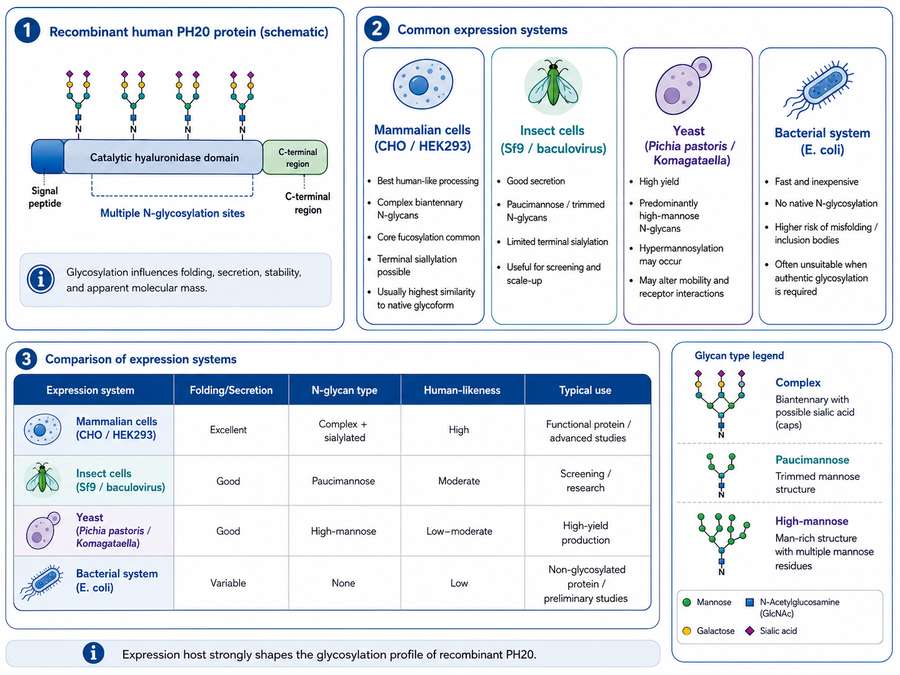
Fig 1. Recombinant human PH20 expression systems and glycosylation profiles
3. Animal-Derived Hyaluronidase: Bovine, Ovine, and Other Sources
Animal-derived hyaluronidase has been used in research and clinical practice since the 1940s. The enzyme is extracted from mammalian testicular tissue through a multi-step process involving tissue homogenization, ammonium sulfate precipitation, and chromatographic enrichment.
3.1 Bovine Testicular Hyaluronidase (BTH)
Bovine testicular hyaluronidase is the most widely available animal-derived preparation. The bovine enzyme is a mixture of hyaluronidase isoforms with molecular weights ranging from 55 kDa to 65 kDa. BTH is not a single gene product; rather, it represents a composite of related enzymes, including PH20 homologs and hyaluronidase-2 (HYAL2) variants, which differ in substrate specificity and pH optima.
Key limitations of BTH include:
- Batch variability: Enzyme activity can vary by 20–40% between lots due to differences in donor tissue, extraction efficiency, and seasonal factors.
- Co-purified contaminants: Testicular extracts contain proteases (e.g., cathepsins), nucleases, and phospholipases that can degrade sensitive substrates or cell membranes.
- Endotoxin burden: Animal tissue preparations typically carry endotoxin levels of 1–10 EU/mg, which can trigger inflammatory responses in macrophage or endothelial cell cultures.
3.2 Ovine Testicular Hyaluronidase
Ovine testicular hyaluronidase shares approximately 85% sequence identity with its bovine counterpart but exhibits slightly different glycosylation and substrate preference profiles. Ovine preparations are less commonly used in North American research markets but remain prevalent in European and Australian laboratories. Like BTH, ovine hyaluronidase suffers from lot-to-lot inconsistency and the risk of adventitious agent contamination (e.g., prion proteins, viral particles).
3.3 Extraction and Purification Challenges
Traditional animal-derived hyaluronidase purification relies on precipitation and ion exchange chromatography. Despite optimization, the final product often retains trace amounts of albumin, immunoglobulins, and other testicular proteins. These impurities can confound immunological assays, particularly when hyaluronidase is used as a co-reagent in antibody-based detection systems.
4. Sequence and Glycosylation Differences
The divergence between recombinant human PH20 and animal-derived hyaluronidases extends beyond primary sequence to encompass post-translational modifications that directly impact enzymatic behavior.
| Feature | Recombinant Human PH20 | Bovine Testicular Hyaluronidase | Ovine Testicular Hyaluronidase |
|---|---|---|---|
| Amino acid identity vs. human | 100% | ~78% | ~82% |
| Molecular weight (apparent) | 60–68 kDa | 55–65 kDa (heterogeneous) | 55–63 kDa (heterogeneous) |
| N-glycosylation sites | 5 (confirmed) | 4–5 (variable occupancy) | 4–5 (variable occupancy) |
| Dominant glycan type | Complex biantennary (sialylated) | High-mannose / hybrid | High-mannose / hybrid |
| Terminal sialic acid | Present (α2,3/α2,6 linked) | Low or absent | Low or absent |
| Disulfide bond pattern | Conserved (3 bridges) | Partially conserved | Partially conserved |
| pH optimum | 4.5–5.0 (acid-active) | 4.0–5.5 (broad) | 4.0–5.5 (broad) |
| Substrate specificity | HA, chondroitin sulfate (weak) | HA, chondroitin, dermatan sulfate | HA, chondroitin, dermatan sulfate |
The glycosylation differences are particularly consequential. Sialylated complex glycans on recombinant human PH20 enhance protein solubility, reduce aggregation propensity, and minimize nonspecific binding to plasticware or cell surfaces. In contrast, the high-mannose glycans predominant on BTH and ovine preparations can be recognized by mannose-binding lectins (e.g., MBL, DC-SIGN), potentially triggering complement activation or immune cell uptake in cell culture systems.
5. Purity, Batch Consistency, and Impurity Profile
Reproducibility is the cornerstone of rigorous research. The impurity profile and lot-to-lot variability of hyaluronidase preparations can introduce uncontrolled variables that obscure experimental outcomes.
5.1 Purity Metrics
Recombinant human PH20 manufactured under GMP-like conditions typically achieves ≥95% purity by SEC-HPLC and reducing SDS-PAGE. Residual host cell protein (HCP) levels are quantified by ELISA and generally maintained below 100 ng/mg. DNA contamination is controlled to <10 pg/dose equivalent.
Animal-derived preparations, by contrast, often exhibit purity in the 70–85% range by similar analytical methods. The remaining 15–30% comprises co-purified testicular proteins, lipids, and nucleic acids. While some suppliers offer "highly purified" BTH (≥90% purity), the premium pricing often approaches that of recombinant material without delivering equivalent consistency.
5.2 Batch Consistency
Recombinant production in defined cell culture media enables tight control over critical quality attributes (CQAs). Certificate of Analysis (CoA) data for recombinant PH20 typically report:
- Specific activity: 2,000–3,500 U/mg (turbidimetric assay, defined substrate)
- Activity CV across lots: <5%
- Endotoxin: <0.1 EU/mg
- Bioburden: Sterile (0.1 μm filtered)
Animal-derived hyaluronidase lots commonly show activity CVs of 15–30%, with endotoxin levels ranging from 1–10 EU/mg. This variability necessitates lot-specific qualification experiments, increasing time and reagent costs for longitudinal studies.
| Quality Attribute | Recombinant Human PH20 | Bovine Hyaluronidase | Ovine Hyaluronidase |
|---|---|---|---|
| Purity (SEC-HPLC) | ≥95% | 70–90% | 70–90% |
| Specific activity | 2,000–3,500 U/mg | 1,500–3,000 U/mg | 1,200–2,800 U/mg |
| Activity lot-to-lot CV | <5% | 15–30% | 15–30% |
| Endotoxin | <0.1 EU/mg | 1–10 EU/mg | 1–10 EU/mg |
| Host cell protein | <100 ng/mg (quantified) | Not quantified | Not quantified |
| Adventitious agents | Absent (viral clearance validated) | Risk of prion/viral carryover | Risk of prion/viral carryover |
6. Immunogenicity and Translational Relevance Considerations
For researchers working at the interface of basic science and clinical translation, the immunogenic profile of hyaluronidase is a critical selection criterion.
6.1 Anti-Drug Antibody (ADA) Risk
Bovine and ovine proteins are recognized as foreign antigens by the human immune system. In vivo studies using animal-derived hyaluronidase can elicit anti-bovine or anti-ovine antibodies within 7–14 days of repeated administration. These ADAs can:
- Accelerate enzyme clearance via immune complex formation, confounding pharmacokinetic analyses.
- Cross-react with endogenous human hyaluronidases, potentially triggering autoimmune-like phenomena.
- Introduce hypersensitivity reactions (anaphylaxis, serum sickness) that terminate animal cohorts prematurely.
Recombinant human PH20, by virtue of its native human sequence, carries negligible ADA risk in humanized models or xenograft systems, preserving the validity of PK/PD and efficacy readouts.
6.2 Translational Fidelity
Data generated with recombinant human PH20 are more readily translatable to clinical scenarios. The enzyme's kinetic parameters (Km, kcat), pH profile, and inhibitor sensitivity mirror those of endogenous human PH20 expressed on sperm and somatic tissues. In contrast, BTH kinetics can deviate by 20–50% from human values, potentially leading to over- or under-estimation of HA degradation rates in tissue-mimetic models.
Animal-derived hyaluronidase can elicit anti-drug antibodies within 7–14 days of repeated in vivo administration, accelerating enzyme clearance and confounding pharmacokinetic analyses. Recombinant human PH20 minimizes this risk.
7. Research Application Fit: Activity Assay, ECM Model, and Formulation Screen
The optimal hyaluronidase source depends on the specific experimental context. The following guidance is based on comparative performance data and practical considerations.
7.1 Enzymatic Activity Assays
For quantitative enzyme kinetics, recombinant human PH20 is strongly preferred. Its defined specific activity and low lot-to-lot variability enable precise determination of Km and Vmax values. Turbidimetric assays using defined HA substrates (e.g., rooster comb HA, 1.0–1.5 MDa) show that PH20 exhibits Michaelis-Menten kinetics with Km ≈ 0.3–0.5 mg/mL, whereas BTH displays substrate inhibition at concentrations >1.0 mg/mL due to contaminating proteases.
7.2 Extracellular Matrix (ECM) Degradation Models
In 3D tumor spheroid or organoid models, hyaluronidase is used to modulate HA-rich matrices and study cell invasion, drug penetration, or mechanotransduction. Recombinant PH20 offers several advantages:
- Defined dosing: Exact molar concentrations can be calculated, facilitating dose-response modeling.
- Low cytotoxicity: Endotoxin levels <0.1 EU/mg prevent macrophage activation and cytokine storm artifacts.
- Specificity: Minimal off-target degradation of chondroitin sulfate or heparan sulfate, preserving matrix architecture.
BTH, with its broader substrate specificity and higher endotoxin burden, can cause nonspecific matrix disruption and inflammatory cell recruitment, obscuring mechanistic interpretations.
7.3 Formulation Screening and Drug Dispersion Studies
Hyaluronidase is increasingly co-formulated with biologics (e.g., monoclonal antibodies, antibody-drug conjugates) to enhance subcutaneous bioavailability. Formulation screening requires a hyaluronidase that:
- Is compatible with standard buffer systems (pH 5.0–7.4, ionic strength 50–200 mM).
- Does not introduce particulates or aggregates upon freeze-thaw.
- Has a well-characterized stability profile (Tm, aggregation onset temperature).
Recombinant human PH20 meets all these criteria. Its thermal stability (Tm ≈ 58–62°C by DSC) and aggregation onset (>50°C by DLS) are well documented, whereas animal-derived preparations often exhibit premature aggregation at 40–45°C due to heterogeneous glycosylation and contaminating proteases.
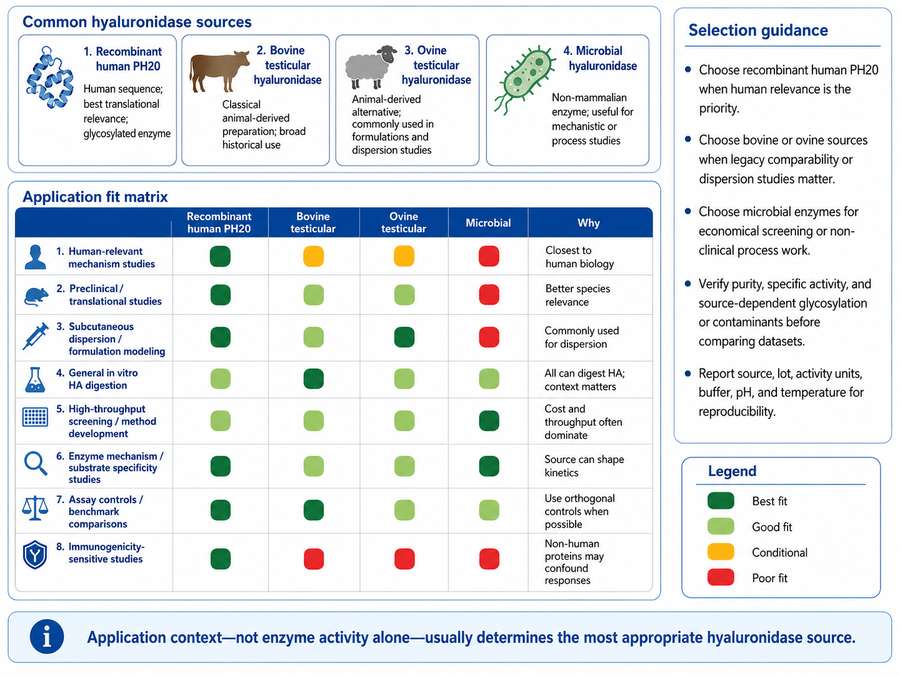
Fig 2. Research application fit matrix for hyaluronidase sources
8. Selection Matrix
The following matrix provides a rapid decision framework for selecting the appropriate hyaluronidase source based on experimental priorities.
| Research Priority | Recommended Source | Rationale |
|---|---|---|
| Cell-based assays (primary cells, organoids) | Recombinant Human PH20 | Low endotoxin, no immunogenic contaminants, defined activity |
| In vivo pharmacokinetics (rodent, NHP) | Recombinant Human PH20 | Minimal ADA risk, translational fidelity to human PK |
| Enzyme kinetics and mechanism studies | Recombinant Human PH20 | Single isoform, defined glycosylation, reproducible kinetics |
| Formulation development (biologics co-formulation) | Recombinant Human PH20 | Characterized stability, compatibility with mAbs, regulatory alignment |
| 3D ECM/tumor penetration models | Recombinant Human PH20 | Specific HA degradation, minimal off-target matrix disruption |
| Large-scale tissue dissociation (non-critical) | Bovine Hyaluronidase | Cost-effective for bulk preparation where lot variability is acceptable |
| Teaching laboratories / routine histology | Bovine Hyaluronidase | Low cost, sufficient activity for non-quantitative applications |
| Comparative evolutionary studies | Ovine or Bovine Hyaluronidase | Species-specific isoforms required for phylogenetic analysis |
9. Frequently Asked Questions
9.1 Can I substitute bovine hyaluronidase for recombinant human PH20 in my cell culture experiments?
Substitution is possible but not recommended for quantitative or longitudinal studies. Bovine preparations introduce variable endotoxin loads, contaminating proteases, and immunogenic proteins that can alter cell phenotype, cytokine secretion, and viability. For primary cell isolation or short-term dissociation (<30 min), BTH may suffice if lot-qualified and used at minimal effective concentrations.
9.2 Does recombinant human PH20 have the same specific activity as bovine hyaluronidase?
Specific activity depends on the assay format and substrate. Under standardized turbidimetric conditions (HA substrate, pH 4.5, 37°C), recombinant PH20 typically ranges from 2,000–3,500 U/mg, comparable to or exceeding that of high-grade BTH (1,500–3,000 U/mg). However, PH20 activity is more consistent across lots, whereas BTH activity can fluctuate by 20–30%.
9.3 Is recombinant human PH20 suitable for in vivo studies?
Yes. Recombinant human PH20 is the preferred choice for preclinical in vivo studies, particularly those involving repeated dosing or immunocompetent animals. Its human sequence minimizes ADA formation, and its low endotoxin profile (<0.1 EU/mg) reduces the risk of pyrogenic responses. For GLP toxicology studies, GMP-grade recombinant PH20 with full viral clearance documentation is required.
9.4 What is the optimal storage condition for recombinant PH20?
Lyophilized recombinant PH20 should be stored at −20°C to −80°C and protected from moisture. Upon reconstitution in sterile PBS or formulation buffer, the enzyme is stable at 2–8°C for 7–14 days and at −20°C to −80°C for 6–12 months. Avoid repeated freeze-thaw cycles, which can promote aggregation and activity loss. Animal-derived preparations are generally less stable and should be aliquoted upon receipt.
9.5 Are there regulatory advantages to using recombinant human PH20?
Absolutely. Recombinant human PH20 aligns with FDA and EMA guidance favoring human sequence-derived biologics for clinical development. Its production in well-characterized cell lines (CHO, HEK293) with validated viral clearance steps satisfies regulatory expectations for adventitious agent safety. Animal-derived enzymes face increasing scrutiny due to TSE/BSE concerns and the inability to fully validate viral clearance from primary tissue extracts.
Conclusion
The selection between recombinant human hyaluronidase and animal-derived hyaluronidase is not merely a matter of cost but a scientific decision with direct implications for data quality, reproducibility, and translational validity. Recombinant human PH20, with its defined sequence, human-like glycosylation, ultra-low impurity profile, and minimal immunogenicity risk, represents the gold standard for modern biomedical research. While bovine and ovine hyaluronidases retain utility in non-critical, large-scale, or educational applications, the trajectory of preclinical science increasingly favors human-sequence reagents that bridge the gap between bench and bedside with fidelity and confidence.
For cell-based assays, in vivo pharmacokinetics, formulation development, and ECM modeling, recombinant human PH20 is the unequivocal choice. Reserve animal-derived hyaluronidase for cost-sensitive, non-quantitative applications where lot variability can be tolerated.
References
1. Frost, G. I., et al. (1997). Biochem Biophys Res Commun, 236(1): 10-15.
2. Csoka, A. B., et al. (2001). Matrix Biol, 20(8): 499-508.
3. Bookbinder, L. H., et al. (2006). J Pharm Sci, 95(11): 2346-2357.
4. Stern, R., & Jedrzejas, M. J. (2006). Protein Sci, 15(4): 689-696.
5. Laurent, T. C., & Fraser, J. R. (1992). FASEB J, 6(7): 2397-2404.
6. US FDA Guidance for Industry: Characterization and Qualification of Cell Substrates and Other Biological Materials Used in the Production of Viral Vaccines for Infectious Disease Indications (2010).
7. European Pharmacopoeia 11.0, Hyaluronidase monograph.